Luna Awakens!

Before the iconic figures of Vampira, Elvira, and Morticia Addams, there was Luna. Carroll Borland is best known for portraying Luna, the daughter of Bela Lugosi's character, Count Mora, in Mark of the Vampire (1935).  But her legacy goes beyond just this role - she is also credited with creating the iconic look of the female vampire with her waist-length dark hair and Adrian-designed shroud in this film.

Two years ago, I was inspired to create my interpretation of her. It was a fun experience to replicate her spooky look!


Carroll Borland was an American actress born on February 25, 1914. She started her career in Hollywood, working in various films and stage productions. She retired from acting in 1953 and passed away in 1994 due to complications from pneumonia. She is most widely remembered and beloved for her iconic role as Luna Mora.


Borland's as Luna in Mark of the Vampire has become iconic in classic horror films. Her delicate yet menacing demeanor and striking appearance have influenced countless other actresses in the horror genre. The decision to have her character wear a long, flowing shroud designed by Hollywood costume designer Adrian added to the overall impact of her performance.


She paved the way for other females in horror film and her influence has lasted for decades, solidifying her as an icon in the horror genre.


🎥 Review: Lonesome (1928)

 “In the whirlpool of modern life — The most difficult thing is to live alone”


Today is Silent Film Day, and I'm excited to share my new favorite silent film with you!


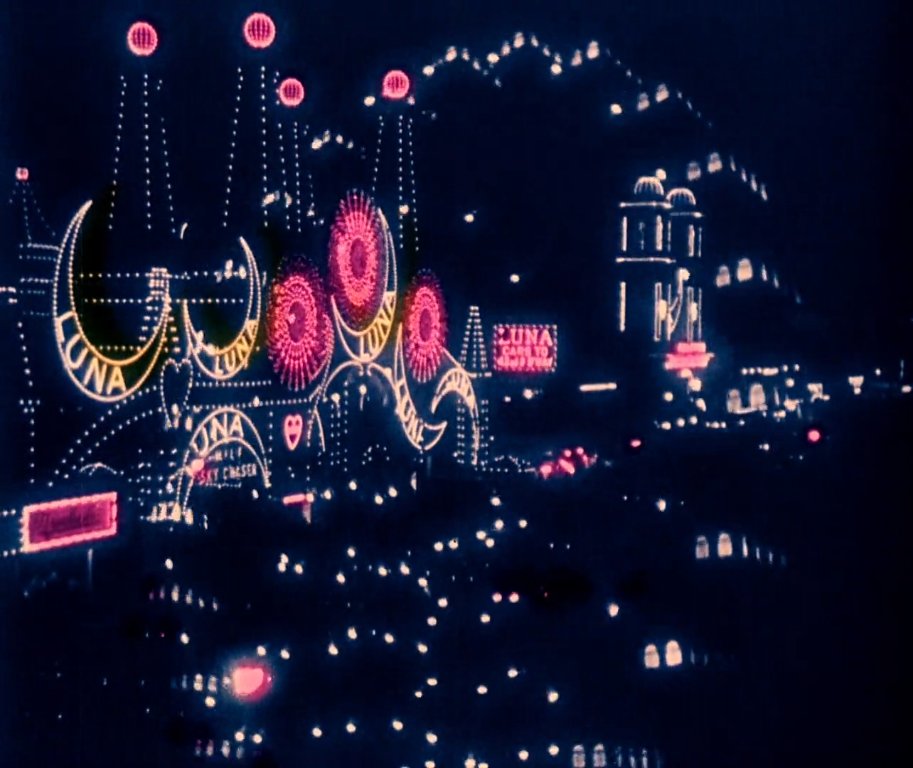
Describing my newfound love for the movie Lonesome (1928) by Hungarian-American director Paul Fejos, I can't help but use simple, charming, lovely, exquisite, and romantically sublime words. This film really knows how to nail the feeling of love at first sight, it had me totally swooning.The story takes place on July 3 in NYC, where two lonely souls living in boardinghouse rooms navigate their daily lives in the bustling city. 


He toils as a machinist while she's a telephone switchboard operator, both yearning for something more than their mundane routines. 

As the holiday weekend approaches, they find themselves grappling with how to spend their time when their plans fall through. Upon hearing a live band promoting that evening's carnival,

 “There’s nothing like the hurly-burly of a carnival to help recover from the stress of daily routine.”
, they both independently decide that Coney Island is the perfect getaway to break free from their daily grind.

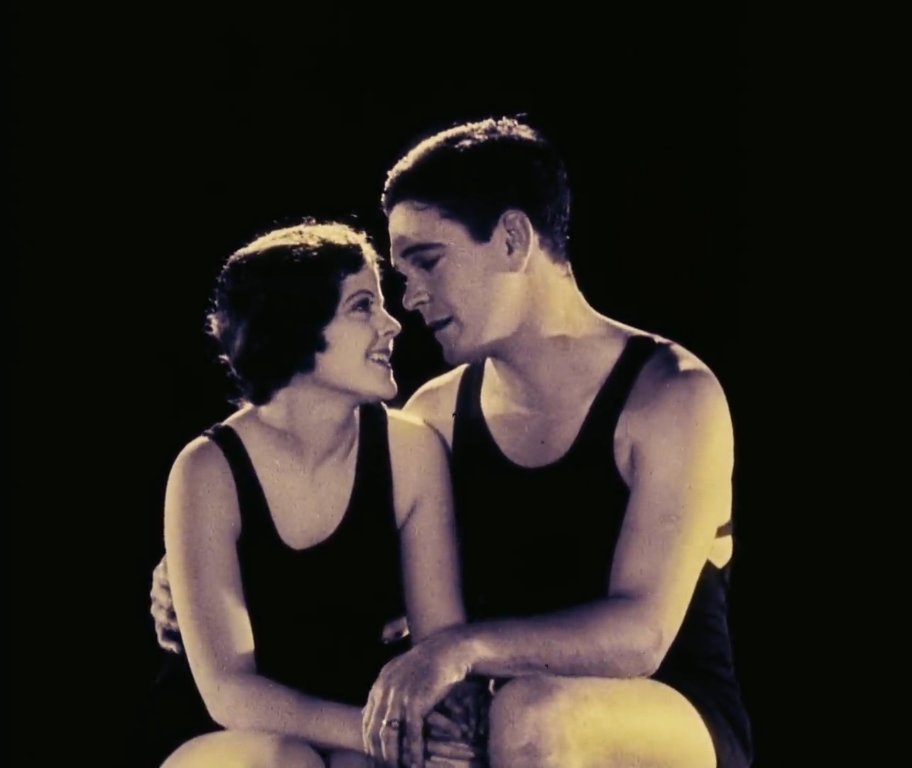
On their journey, they unexpectedly cross paths, and Jim (Glenn Tryon) is immediately captivated by Mary (Barbara Kent). After winning her affection, they enjoy a day filled with rides, games, and blossoming romance at the beach. 


"I see riches, travel, pretty clothes and marriage with a dark handsome young man- he'll make you happy miss."

However, a roller coaster accident separates them, and without knowing each other's last names or addresses, they are left heartbroken and desperate to reunite. Lonesome captures the intense longing of these two lovers as they search for one another amidst the bustling crowds of Coney Island. Will they find each other again? 


Barbara Kent shines on screen with her infectious smile, showcasing honest vulnerability in her performance. Meanwhile, Glenn Tryon adds a comedic touch as an ordinary man afraid of missing out on his chance at happiness. Together, they create a dynamic and engaging on-screen duo.


From the vibrant color-tinted shots at the beach and dance hall, to the creative edits like a Roman numeral clock overlaying job scenes, every frame is a work of art. This early "part-talkie" film seamlessly transitions between silent intertitles and audible dialogue, keeping you engaged throughout. 

Director Fejos's attention to detail, from hand-tinted sequences to long camera takes, brings the characters' lives to vivid life. The film boasts stunning cinematography that features a dazzling array of techniques, including superimposition effects, innovative editing, dynamic camera movements, and exhilarating roller-coaster shots. It employs fast motion, extended one-shot scenes, split screens, intricate model work, mesmerizing double-and triple-exposures, breathtaking matte paintings, as well as both hand-held and dolly shots. 

Initially conceived by the studio as a short film with a three-page outline, Lonesome was transformed into a feature-length production by Fejös. The studio insisted on adding three dialogue scenes to the film that Fejos did not originally direct. These scenes had simple dialogue and a stationary camera, all in the name of attracting more viewers. Plus, the sound design prominently featured Irving Berlin's "Always."

It was released mainly in a sound version. The silent version was mostly shown in theaters that hadn't switched to sound yet, like those in rural areas that couldn't afford the upgrade. Some original prints of the film have scenes colored with purple stencils. When it was ready for a wider release, Lonesome included a synchronized soundtrack featuring music, sound effects, and three dialogue scenes. The studio marketed the film as a sound production.

In 2010, it was selected for preservation in the United States National Film Registry by the Library of Congress as being "culturally, historically, or aesthetically significant".The film was released on Blu-ray disc and DVD on August 28, 2012, as part of the Criterion Collection.

Fejos who was also an explorer, screenwriter, anthropologist, and doctor created a film that left me in awe. I couldn't help but be captivated by the beauty of love found and creativity of this visually stunning film.


🎥 Review: Because They’re Young (1960)

Suddenly Kids grow up! Only yesterday they were red-hot athletes and hot dates...today they're gripped by grownup desires!


As you might have guessed, I love B-movie high school and teen angst flicks from the fifties and sixties. With Dick Clark making his dramatic film debut and Bobby Rydell’s "Swingin' School" playing during the opening, plus performances by Duane Eddy and James Darren, Because They’re Young (1960) is a film I couldn’t resist.

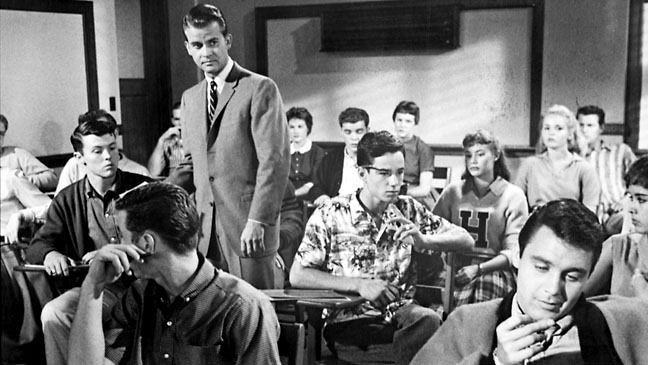
The film is not as widely recognized or discussed as the more prominent teen classics of its era, such as Blackboard Jungle (1955) and Rebel Without a Cause (1955), largely due to its lack of the rebellious spirit and emotional weight that those films possess. It also falls short of the exhilarating entertainment in my earlier review of High School Confidential! (1958). Still, Because They’re Young is pretty good. Directed by Paul Wendkos (Gidget), this 1960 adaptation of the controversial novel "Harrison High" centers on an idealistic young high school teacher facing the challenges of over-sexed and troubled teens.


Once a star college football player, Neil Hendry (Dick Clark) had his promising career cut short by a tragic car accident that took the lives of his brother and sister-in-law. Now, he's started a new chapter as a hopeful teacher at Harrison High, accompanied by his young nephew Eric (Stephen Talbot).
Sadly, Eric's parents also perished in the same accident while on their way to support Neil on the field. Feeling guilty about their deaths, Neil tried to live up to his brother's legacy as an outstanding mentor who cared deeply for his students. Despite his best intentions, Neil faced criticism as a student teacher for getting too close to his students, leading to a court decision granting him only temporary custody of Eric.


Neil and Principal Mr. Donlan's secretary Joan Dietrich (Victoria Shaw) become fast friends. They start to feel a connection towards each other, but Joan is cautious about moving too quickly. Her previous relationship with an idealistic teacher who was tragically killed has left her hesitant to dive into something new. She advises Neil to be more mindful of following Principal Donlan's rules and to not give too much of himself to his students. Joan opens up to Neil about her past love, a teacher similar to him who met a tragic fate at the hands of a student.
 

Now onto the students. We have Ann Gregor (Tuesday Weld). Last summer's sexual misstep with Griff Rimer, a former student from Conway High who has a history of juvenile delinquency, has negatively impacted her reputation. She also wants to become an actress and move away from her shrill bedridden mother. Tuesday won a Golden Globe Award for Most Promising Female Newcomer in 1960. And established a long career playing dramatic roles. She was nominated for an Academy Award for Best Supporting Actress for Looking for Mr. Goodbar (1978).


Ann's new beau is Buddy McCalla (Warren Berlinger) a shy new kid and a promising football player. But home life is difficult with an absent father and a promiscuous alcoholic Mom. You'll recognize Berlinger as the "tough-as-nails" United States Army recruiter Sergeant Betchler in TV's Happy Days.

 
Then there's the sweetheart couple Jim (Doug McClure) and Roberta Shore (Ricky Summers). Both starred in NBC's The Virginian. Their love prompts both sets of parents to advise them to not rush into having premarital sex.

I felt that Dick Clark did a decent job but he was essentially playing himself—so charming and friendly, with that shiny, immovable hair. “Look, we don’t love people because they’re perfect. If we did, you’d soon find out there’s nobody to love at all.” He’s the go-to guy for helping others and handling his students like a psychiatrist or social worker. But when his history comes up, he gets defensive and a bit angry. So when a scene required him to show a more negative side, his acting fell a bit short. The romance between him and Joan didn’t quite spark either. 


The real magic lies in the interactions between the teens. The scenes with Griff and Ann especially. I found it effective that we only hear Ann's mom without seeing her, which directs our attention entirely to Ann's feelings of frustration. And the unsettling and inappropriate dealings with Chris the Butcher (Rudy Bond) that tempt Griff into a risky armed robbery scheme.


I loved the fantastic opening instrumental by Duane Eddy which became one of the rare all-instrumental hits of the era, going to #4 on the American charts in the summer of 1960. He even performs another song "Shazam!" at the school dance, while James Darren (who recently passed away) sings a slow-down ballad version of the title track. 


The campus and classroom shots were filmed at Hoover High School in Glendale, California. With a film noir aesthetic, the third act is filled with excitement, as first film score composer John Williams enhances the tension using conga drum sounds.


According to Dick Clark filming it was "an extraordinary experience. Columbia really laid it on; they rented a house in Bel-Air owned by Mercedes McCambridge, provided a maid, a butler and a chauffeur, and gave me a hundred dollars a day in expenses."
He also added, "Most pictures about teenagers are wrong. They are older people's concepts of how teenagers act... I doubt if there ever can be a truly honest portrayal in films. Not all girls are beautiful and all boys are handsome, as they are in films... [But] the script is fairly true to life. Most teenagers are normal."
 
World Premiere of “Because They’re Young” at the Paramount Theatre in Phoenix and ABC-Paramount calls in American Bandstand’s Dick Clark to lead the band and host the evening in 1960.


All in all, I found the film to be a noteworthy entry in the teacher-student genre, offering a compelling narrative that resonated with me. On my B-Movie-o meter, it scores a solid B.
"This is a topical picture. Not a typical picture. Because they're young. Or are they?...."