
Dive into the dimly lit alleyways of cinema's most enigmatic genre with this curated collection of must-see film noir classics. From fedora-clad detectives to femme fatales who could kill with a glance, these silver screen gems will transport you to a world where morality blurs and danger lurks around every corner. Grab your trench coat and join me on this thrilling expedition through the smoky, neon-lit landscape of noir's finest offerings.
I have omitted neo-noir films made after 1959 from this list. I will provide further analysis of these films below in future posts.
(Before) Proto Noir:
Stranger on the Third Floor-1940 (the first "true" film noir).

The Maltese Falcon-1941 (the first major work of the noir style).

This Gun for Hire -1942 (helped
establish a number of conventions of the noir genre, including the
hard-boiled for-hire killer and the overlapping double-cross).

Fly By Night-1942 (An Americanized version of The 39 Steps, this fun B-Movie is a fun combination of film noir and screwball comedy that works).

Shadow of a Doubt -1943 (the headline star is also the killer and Alfred Hitchcock's own favorite film of his).

Classic Noir:
Phantom Lady -1944 (First to be released featuring a female sleuth).

Double Indemnity- 1944 (a quintessential film noir, follows the time-honored noir plotline of a man undone by an evil woman).

Murder My Sweet- 1944 (is one
of the iconic works of film noir and one of the films that helped to
define noir as a mode. Marlowe, meanwhile, is one of the great noir
characters).

Laura- 1944 (notable as both a suspenseful mystery and a compelling account of obsession).

Detour- 1945 (low-budget,
virtually ignored upon its initial release but was later championed by
film critics and such directors as Martin Scorsese as one of the high
points of the film noir genre).

Leave Her To Heaven- 1945 (In bright Technicolor that both embodies and deconstructs the femme fatale archetype).

Scarlet Street- 1945 (It
sets a long-standing trend of a criminal not being punished for his
crime and darkest noirs that were banned in some countries).
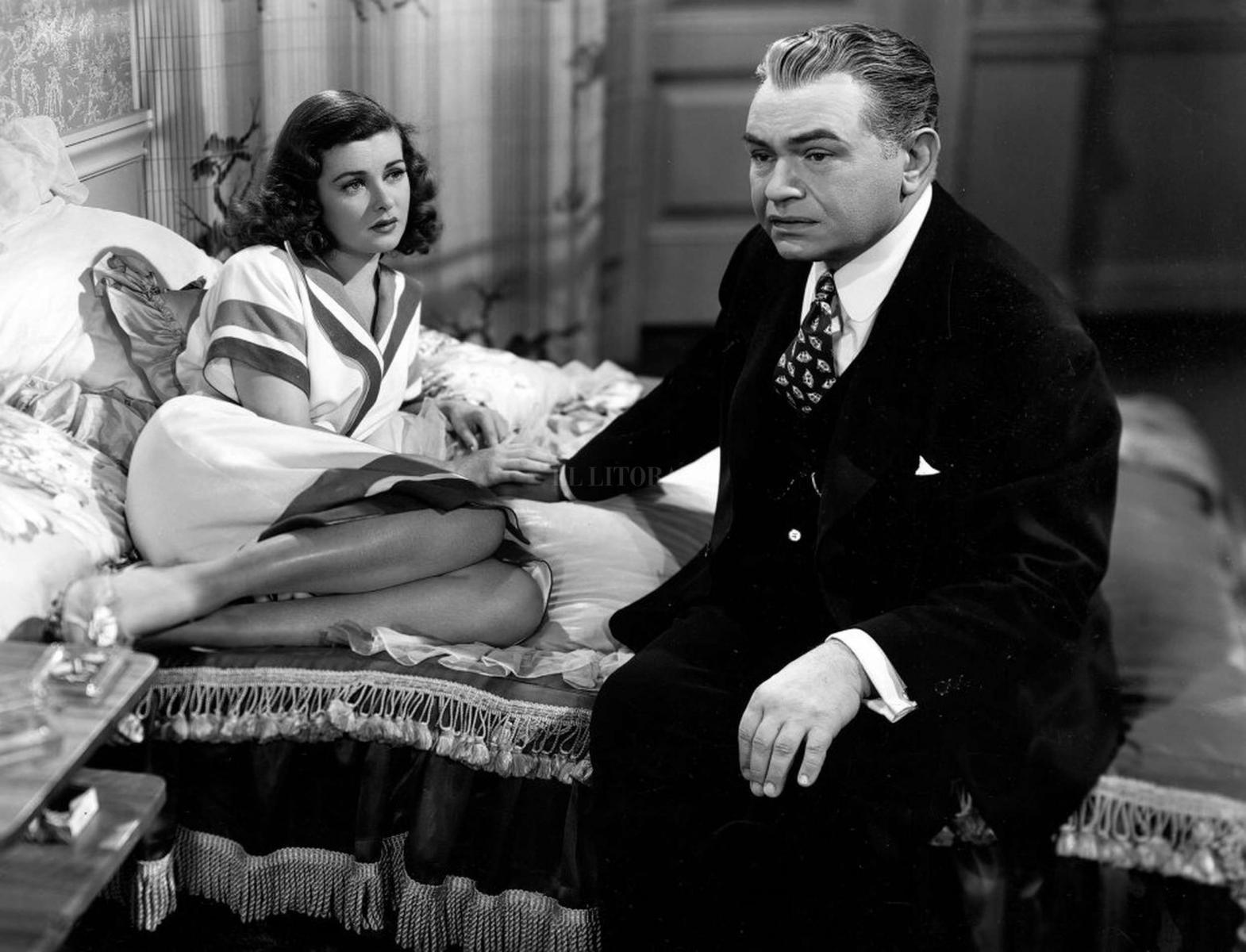
Mildred Pierce-1945 (female main protagonist).

The Big Sleep- 1946 (stylishly,
emphasizes objects in the light and buries everything else in the
shadows as they deceive each other and secrets unravel).

The Postman Always Rings Twice- 1946 (features all the elements: sexy leads, tight script and direction, and a shocking climax).

Gilda- 1946 (the exploration of the threat that femininity poses to masculinity).

The Killers- 1946 (an
intense, hard-edged, stylish film noir of robbery, unrequited love,
brutal betrayal, and double-cross. It featured two unknowns at the time).

Out of the Past- 1947 (With
a touch of cynicism and bitterness, embracing the true essence of a
classic noir protagonist, the clever play of light, shadows, a
destructive seductive femme fatale, and a unique abundance of cigarette
smoke).

Nightmare Alley- 1947 (flawed complex characters, atmospheric sets, beautiful expressionistic cinematography, and a cruel plot.).

Crossfire- 1947 (Dealt with anti-Semitism, it employed great use of shadows, experimental tight closeups, and shots due to low budget constraints).

Odd Man Out- 1947 (uses the shadowy post-war city as the backdrop for a story that's a haunting mix of tragedy, love and intrigue).

Key Largo- 1948 (Released
just a few years after World War II, reflecting the anxieties and
tensions of the era, exploring themes of morality, redemption, and
societal corruption).

Criss Cross- 1949 (packed with film noir themes and situations told in a flashback from the point where everything is speeding for the cliff).

White Heat-1949 (ultimate classic film noir psychotic gangster figure of the post-war era).

The Third Man-1949 (set
against a Europe physically and morally devastated by war. Visually
stimulating with strong screenplay, acting, musical score, and
atmospheric cinematography).

Too Late For Tears-1949 (A Ruthless
femme fatale lead in a darkly satisfying and atmospheric meditation on
the covetous societal and materialistic ambitions of postwar
middle-class America).

In a Lonely Place-1950 (No iconic noir imagery, just an intense darkness within).

Gun Crazy -1950 (prototypical noir style, grim narrative, and pervasive aura of eroticism).

Where the Sidewalk Ends- 1950 (Showcases
a specific type of violence that is hidden beneath the surface of city
life, which is often regarded as a crucial element in the noir style).

Tomorrow is Another Day- 1951 (a
satisfying lovers-on-the-run noir with crisp dialogue, and sexy leads
who sympathizes with its main character from start to finish).

Kansas City Confidential- 1952 (gritty
entertaining noir with brutal crooked characters, layers of suspicion,
oozing with pack-punching greed, scheming, and deception).

Sudden Fear-1952 (a
tour-de-force performance using facial expression to convey the inner
turmoil of a woman-in-distress who uses her intelligence in order to
outsmart her scheming husband).

The Narrow Margin-1952 (Noir on a Train, received an Academy Award nomination for its taut and thrilling writing about a dangerous train journey).

The Hitch-Hiker-1953 (the
only classic American film noir directed by a woman named actress Ida
Lupino where the setting is not a city but, an uninviting and
potentially deadly desert).

City That Never Sleeps-1953 (a
mixture of realistic film noir, and procedural crime drama with a
quirky character study of lives intertwined during one day in Chicago).

Pickup on South Street- 1953 (hard-boiled
repartee and raw energy define this Cold War-inspired national security
thriller with intimate portraits of three characters who get caught up
in big events of soul searching, brutality, and expertly crafted moments
of devious suspense).

The Big Heat- 1953 (With a male femme fatale, it skillfully explores the shady raw world of corporate crime and its pervasive influence on society).

The Big Combo-1955 (stylishly
shot film noir at its best, shot in stark high contrast using shadows
and silhouettes to create tension and menace to a group of cops and
hoodlums locked in a fierce orgy of destruction).

Kiss Me Deadly -1955 (Is
widely regarded as the ultimate low-budget, apocalyptic, nihilistic,
film noir of all time, with a bleak and nihilistic tone, and a sleazy
and tawdry narrative that truly pushes the boundaries of the style).

The Night of the Hunter- 1955 (surpasses
the noirish style and truly embodies the essence of film noir, standing
out as one of the most unnerving films of its time).

Bad Day at Black Rock- 1955
(wide-screen color cinematography contributes to the sense of
desolation of a Western town offering a thrilling paranoiac small-town
murder story).

The Killing- 1956 (the
quintessential film heist noir with criminals, cops in trench coats, a
patsy with a cheating wife, a double cross, and plenty of essential film
noir fatalism).

Murder by Contact (1958) (known for its spare style, peculiar sense of cool and the Film most influenced by Martin Scorsese).
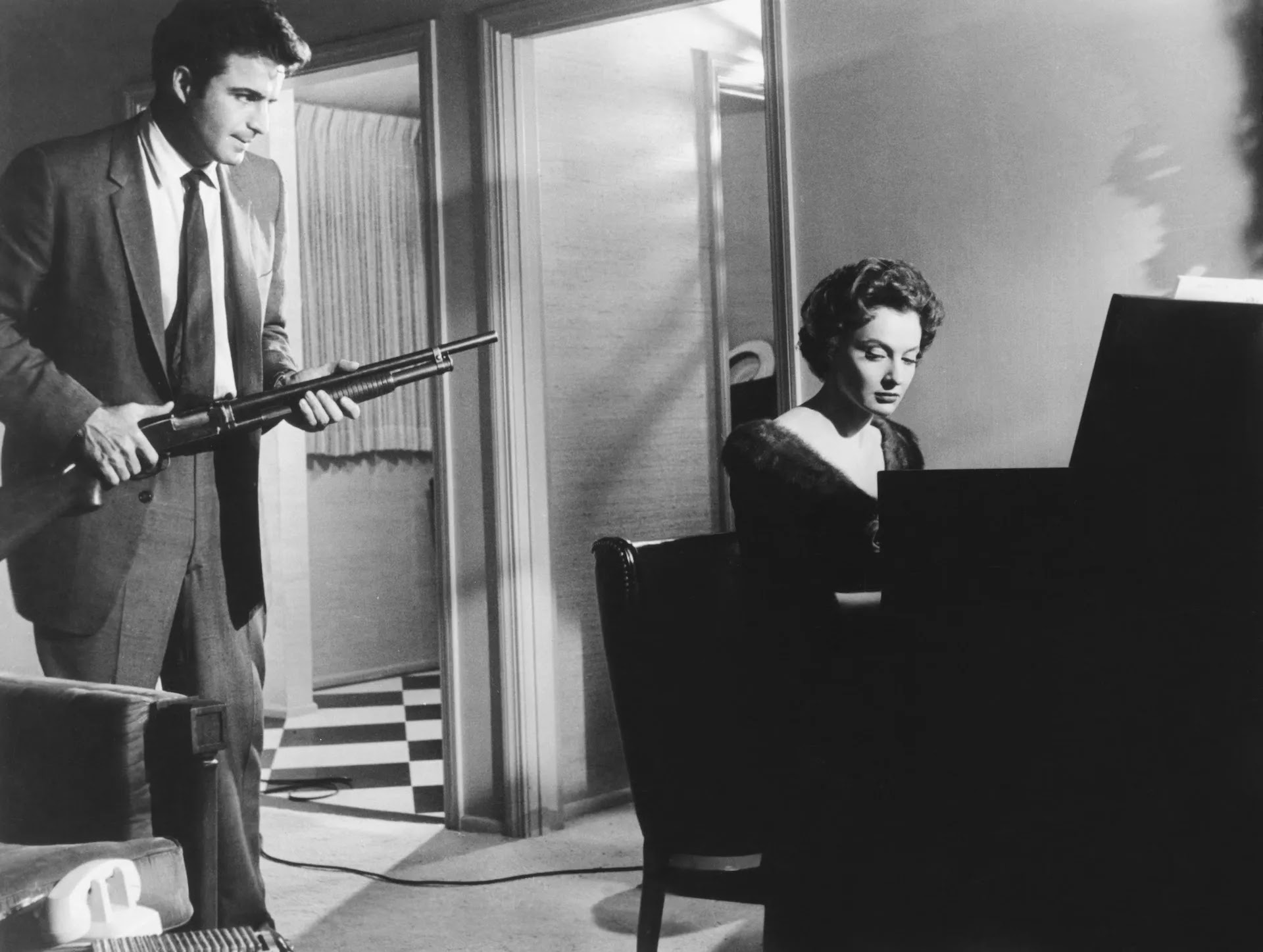
Touch of Evil- 1958
(one of the final gems of the classic film noir period of the 1940s and
'50s. With its use of unconventional camera angles and low-key
lighting).

Odds Against Tomorrow-1959 (late
noir film race-relations jazz-fuelled heist film noir making the most
use of the gritty city where black and white are the very subject of the
film).


%202.JPG)